01Lower Mainland
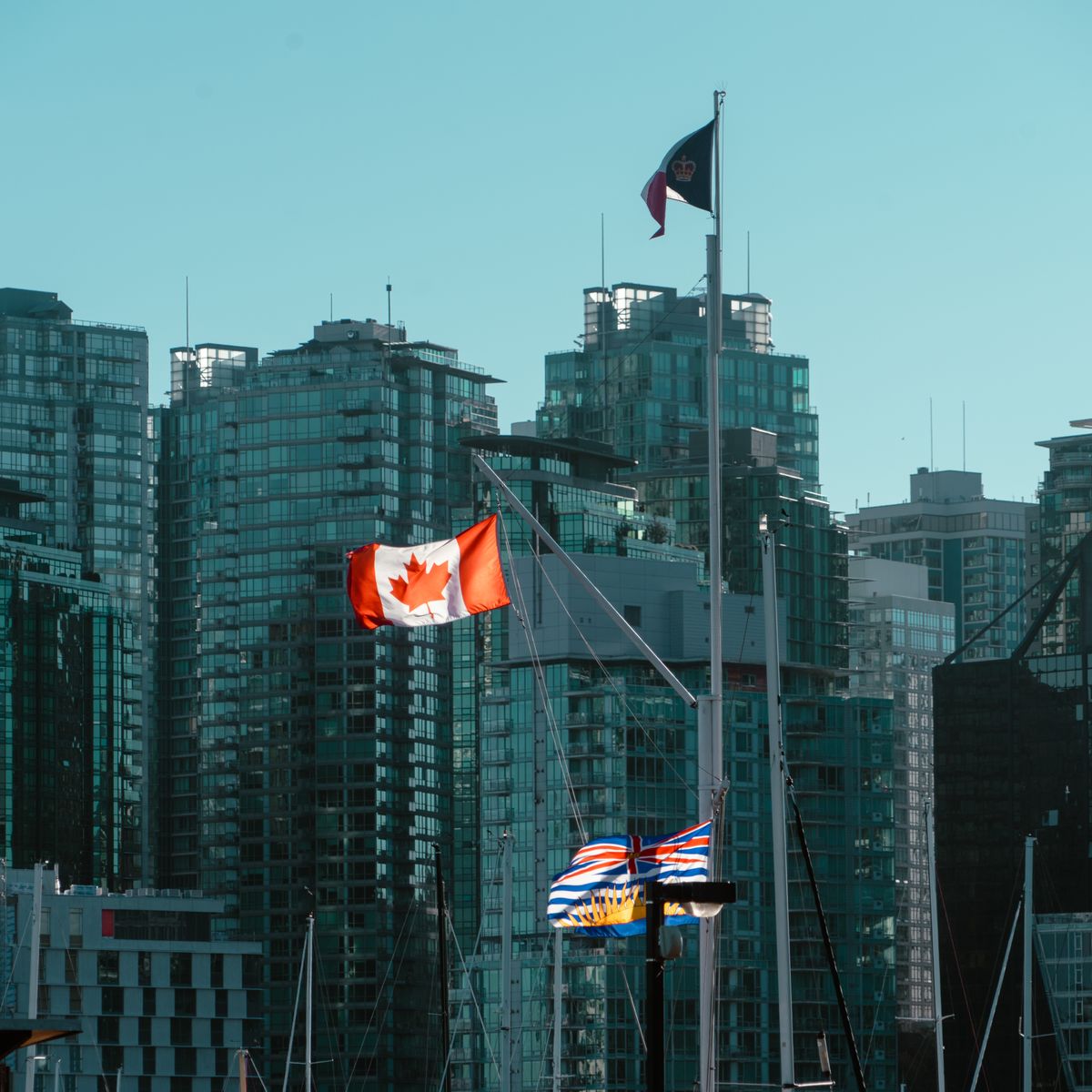
Vancouver, Stanley Park, the waterfront and surrounding communities form the province's largest urban cluster. The 778 map visualizes the code after its 2007 expansion, not just its original 2001 footprint. Representative cities across B.C. show why a modern 778 number cannot be assumed to come from Metro Vancouver.
02Vancouver Island
Victoria's Inner Harbour is a useful city reference, while the island adds coastal communities and landscapes that differ sharply from the Lower Mainland. The 778 location question often starts with Vancouver, but the current answer is all of British Columbia. Its expansion from a concentrated southwest overlay to province-wide service is the key fact that separates 778 from 604.
03Interior
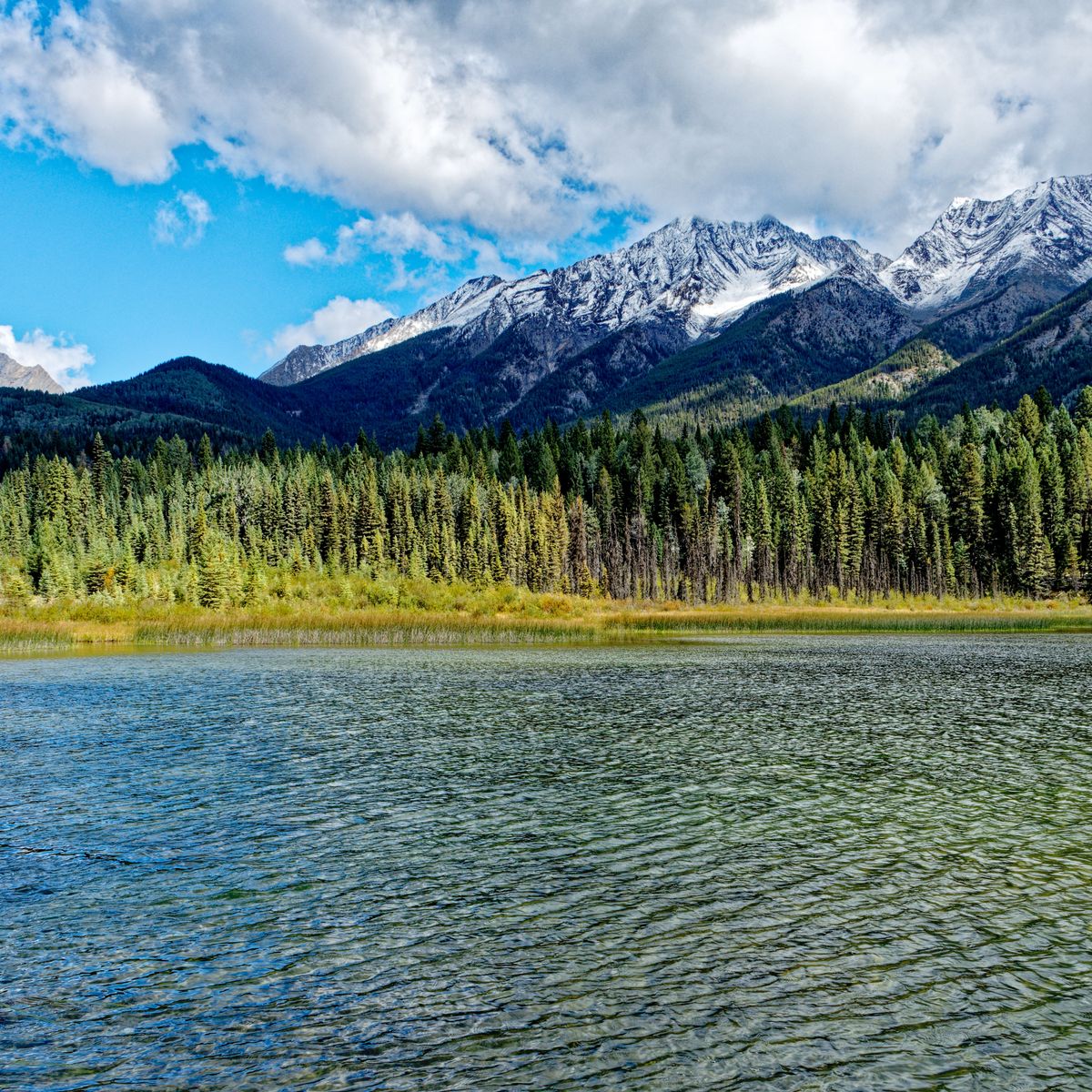
Kelowna, Kamloops and the Okanagan add lakes, drier interior landscapes, wineries and regional events to the 778 picture. Weather for 778 is shown across representative B.C. locations because the code's modern geography is province-wide. The multi-city view reflects the 2007 expansion and avoids freezing the code in its original Vancouver-area footprint.
04Northern British Columbia
Prince George is one northern reference point within a much larger region whose travel patterns differ from the south coast. The 778 airport guide follows the code's current province-wide reach with several B.C. gateways. That is more accurate today than a Vancouver-only YVR page, even though 778 originally launched in the southwest.